The situation in the Middle East has added another variable, and the textile industry is facing a "post-summer cold snap"! Since May, the Barakah Nuclear Power Plant in the Zafra area of Abu Dhabi, United Arab Emirates, was attacked by drones. Coupled with the ongoing escalation of the shipping crisis in the Strait of Hormuz, international crude oil prices have experienced a retaliatory surge. Brent crude oil futures have risen to 111.48 US dollars per barrel, reaching a new high in recent times. West Texas Intermediate (WTI) crude oil has also risen significantly. This energy shock triggered by geopolitical conflicts is now severely impacting every环节 of the global textile market along the industrial chain.
This drone attack incident is not isolated. Behind it lies the escalating geopolitical game in the Gulf region. It is reported that three drones entered from the western border of the United Arab Emirates. Two of them were successfully intercepted by the anti-aircraft system, while the remaining one hit the power generation units outside the nuclear power plant and caused a fire. Although no casualties were caused and the normal operation of the nuclear reactor was not affected, this attack directly ignited market concerns over the escalation of the US-Iran conflict and exacerbated the panic over the disruption of supply through the Strait of Hormuz.
As the "throat" of global oil transportation, the Strait of Hormuz carries approximately one-fifth of the world's oil transportation volume. Currently, although a small number of ships are passing through this strait, it is far from returning to normal. The insurance costs for oil tankers have soared, many energy enterprises have suspended vessel passage, oil-producing countries such as Iraq have experienced a significant decline in export volume, and the peak period for oil consumption in the Northern Hemisphere is approaching. As a result, global oil inventories have reached a level not seen in eight years. Under the combined effect of these factors, the sharp rise in oil prices has become an inevitable trend. This is undoubtedly a "cost storm" for the highly dependent textile industry on oil.
From the comments, the impact of the soaring oil prices on the textile market is characterized by "all-round and multi-level". The first to be affected are the synthetic fiber sectors. In modern textile industry, synthetic fiber raw materials such as polyester, nylon, and spandex all come from petroleum. Over 60% of global textile fibers are synthetic fibers. The functional clothing we wear daily, such as hiking jackets, yoga pants, and sun-protective clothes, have their core raw materials almost all derived from petroleum, and even the clothing dyes and anti-pilling coatings as auxiliary materials also rely on petrochemical products.
It is worth noting that the current cost pressure transmission in the textile industry is lagging. The spring and summer clothing currently on sale are mostly orders with fixed prices in the early stage. The terminal prices have not significantly increased yet, but the industry generally predicts that as the cost pressure continues to accumulate, the prices of 2026 autumn and winter clothing, especially functional clothing, are likely to increase by 5% to 15%, and the final cost will be passed on to consumers.
From the perspective of industry prospects, geopolitical conflicts are unlikely to be resolved in the short term, and the situation in the Strait of Hormuz remains highly uncertain. CICC Wealth Futures points out that if the actual blockade of this strait lasts for a longer period, crude oil prices may experience another sharp fluctuation, and the cost pressure in the textile industry may continue to increase. However, China's textile industry has a well-established production chain, and enterprises are alleviating their reliance on petroleum raw materials and resisting market fluctuations by optimizing supply chains, exploring alternatives with bio-based fibers, and promoting the recycling of used clothing.
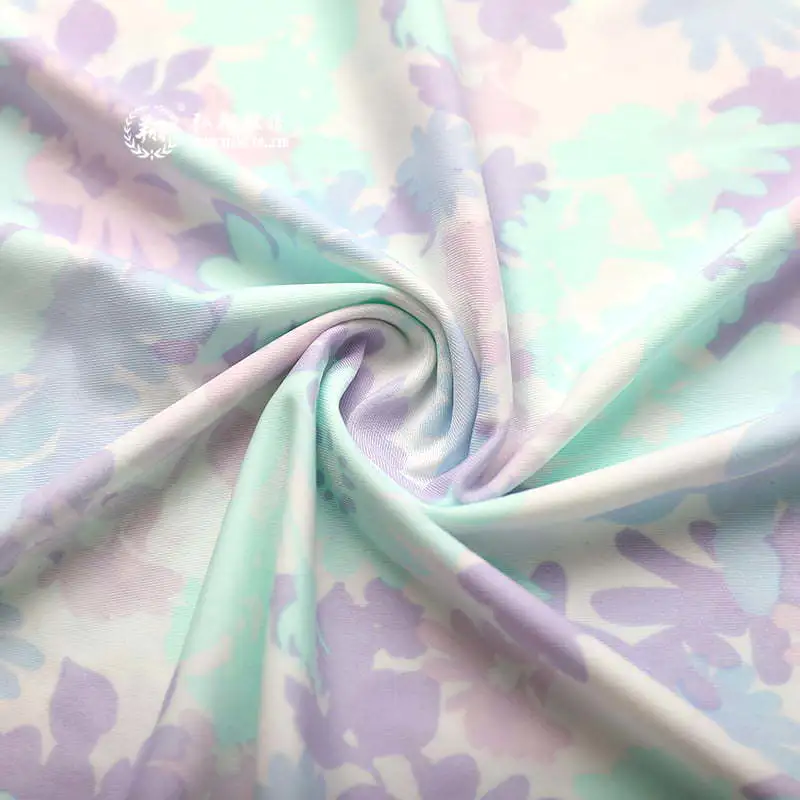
N008TB6-B Nylon spandex semi-gloss filament screen printing underwear fabric
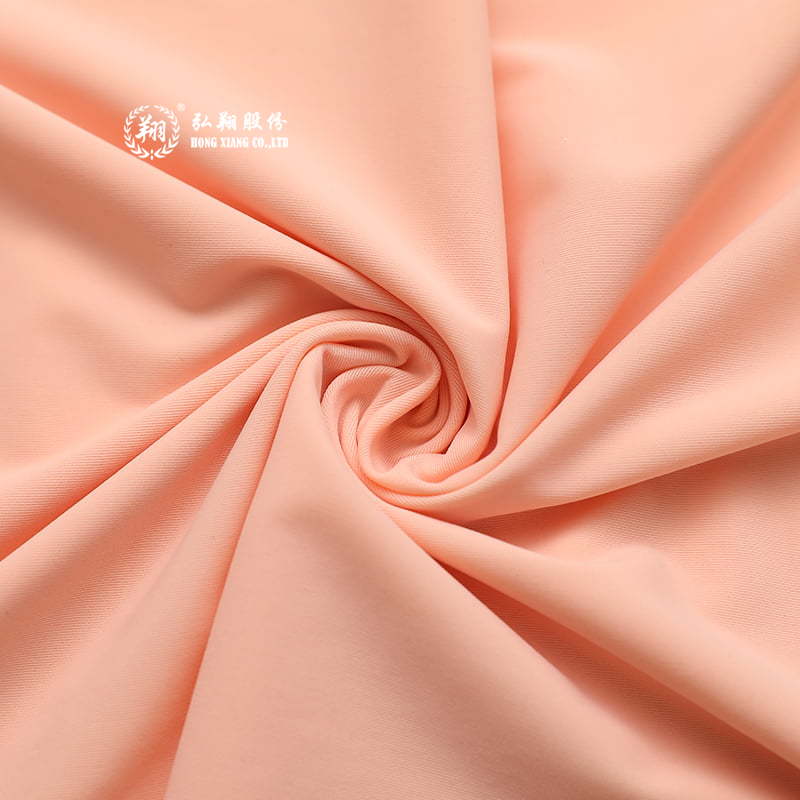
N195TW4 Nylon filament underwear fabric
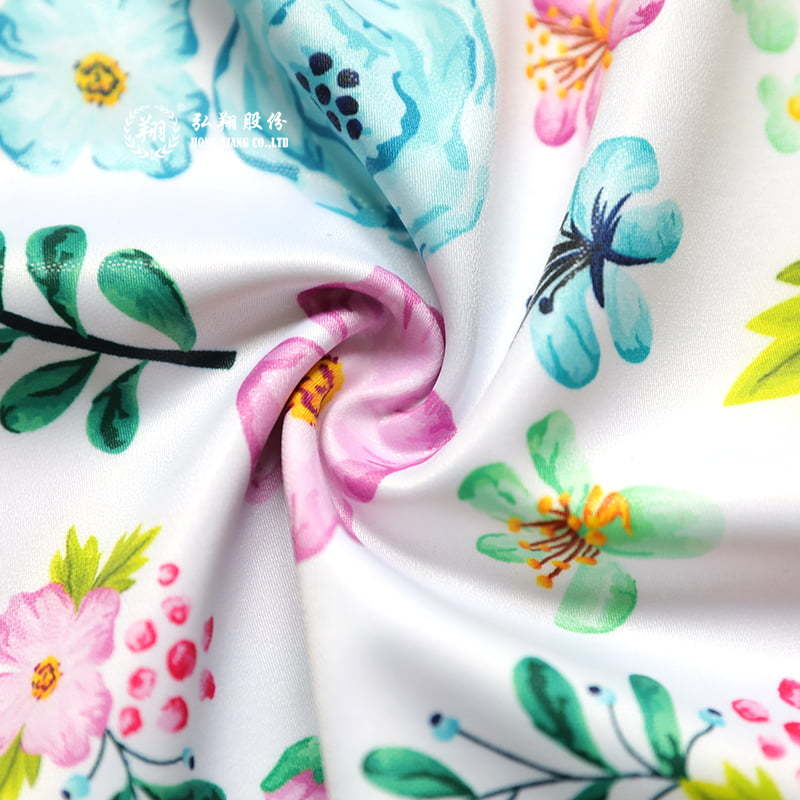
T007PB6-AE Polyester semi-gloss digital hot stamping fashion fabric
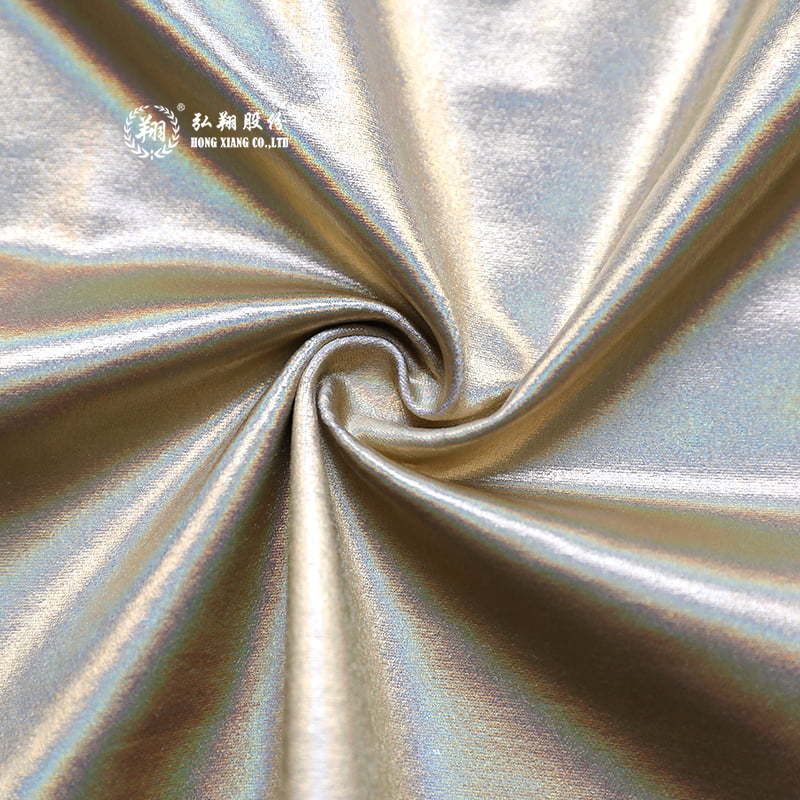
T004TB6-E Polyester semi-gloss hot color fashion fabric
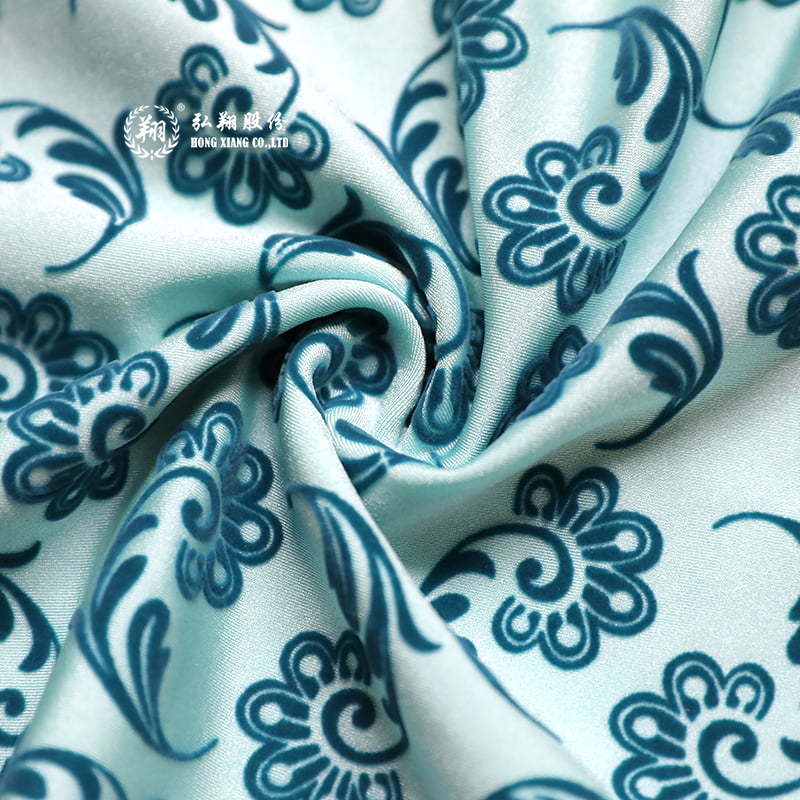
N001PY6-Z polyester flocking fashion fabric
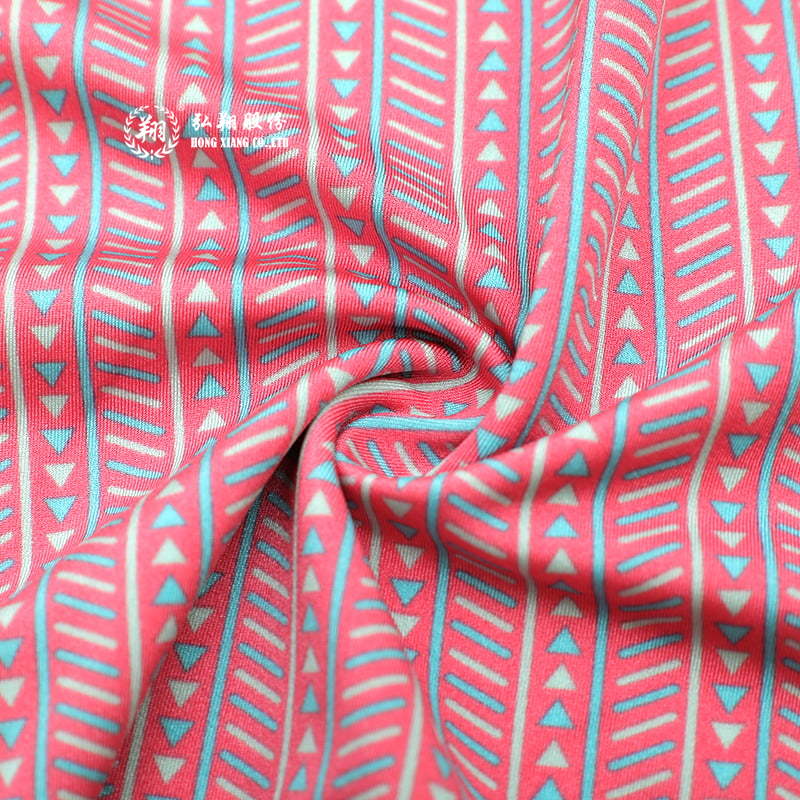
N001PY6-A Jinyouguang Digital Printed Fabric swimsuit fabric
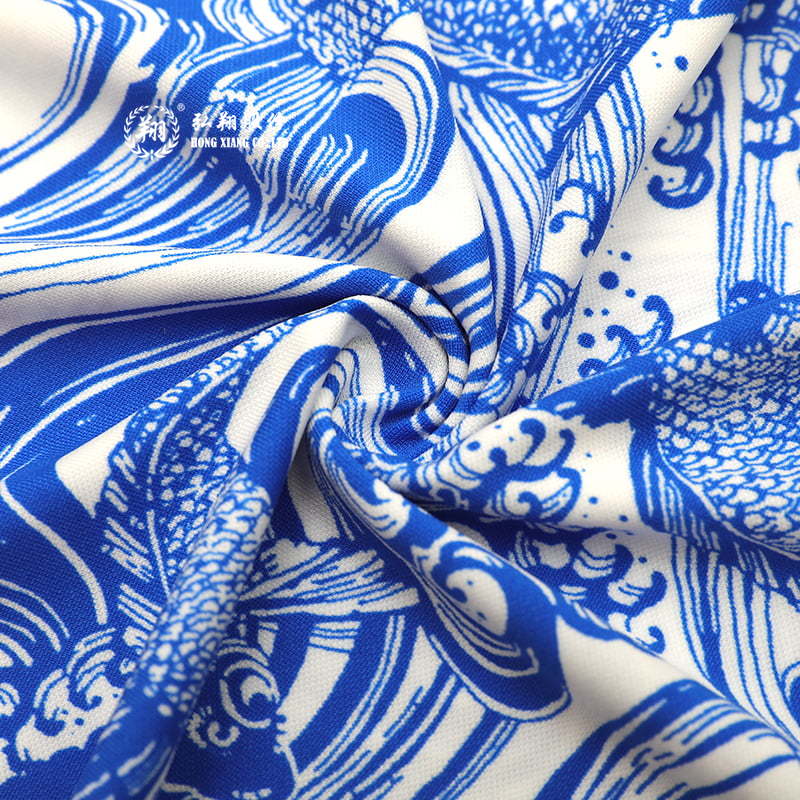
N185TB2-B Nylon spandex semi-gloss screen printing swimsuit fabric
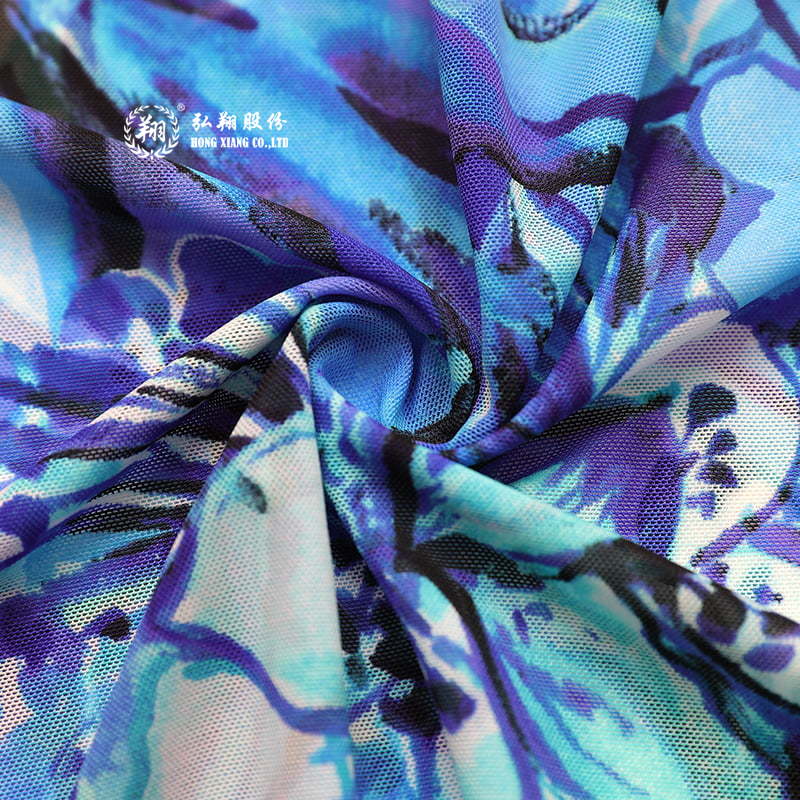
N045PB2-B Nylon spandex semi-gloss stretch mesh printed swimsuit fabric
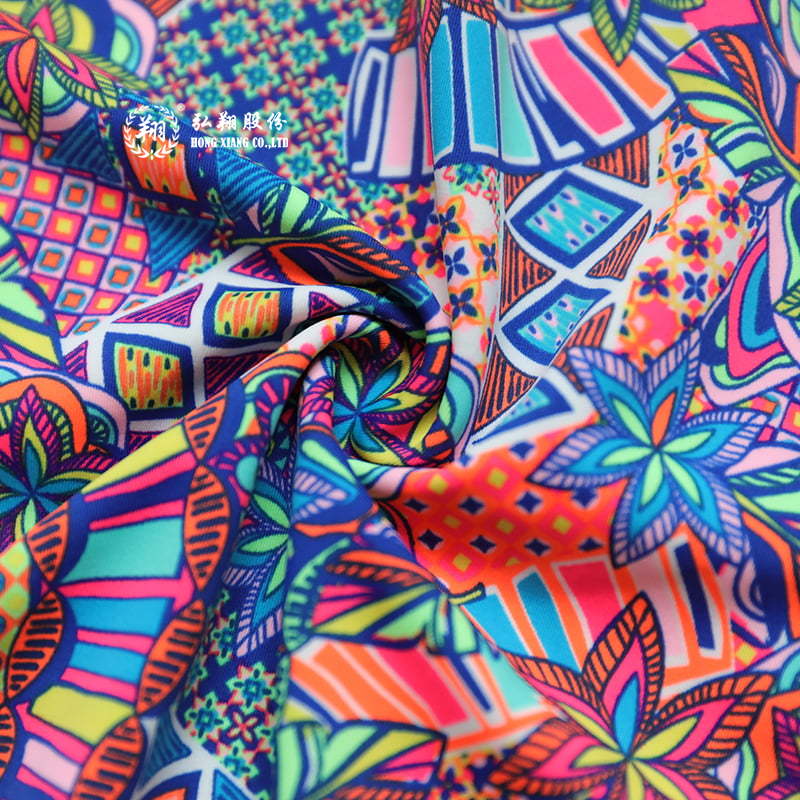
T009PW6-A Polyester matte digital printed swimsuit fabric
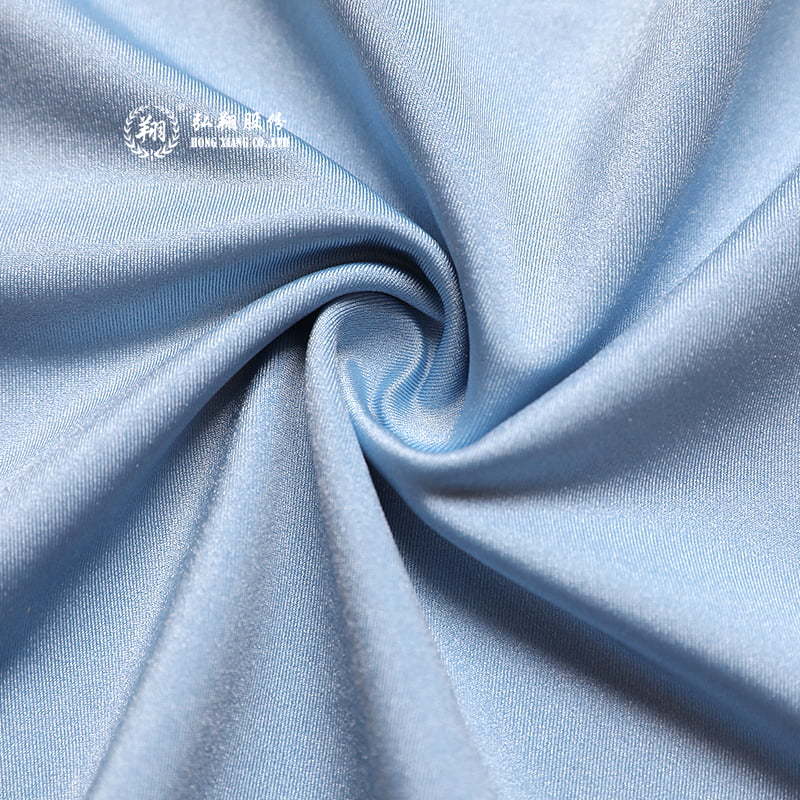
N001PY6 Nylon bright cloth sports fabric


No.8, 12th Jingbian Road, Warp Knitting Industry Zone, Haining, Zhejiang Province, China
Building 5, No.7, Xinxing Road, Xinlian community, Humen Town, Dongguan City, Guangdong Province, China

+86-13567382333

+86-0573-87632333
+86-0769-85222006

Copyright © Zhejiang Hongxiang Textile Technology Co., Ltd.(Haining Honghai Import and Export Co., LTD) All Rights Reserved.
 Function Fabrics Manufacturers Wholesale Weft Knit Fabrics Suppliers



 英语
英语 西班牙语
西班牙语 俄语
俄语 中文简体
中文简体